
News
2027: Avoid politicising INEC leadership- Christian Clerics caution Shari’a Council

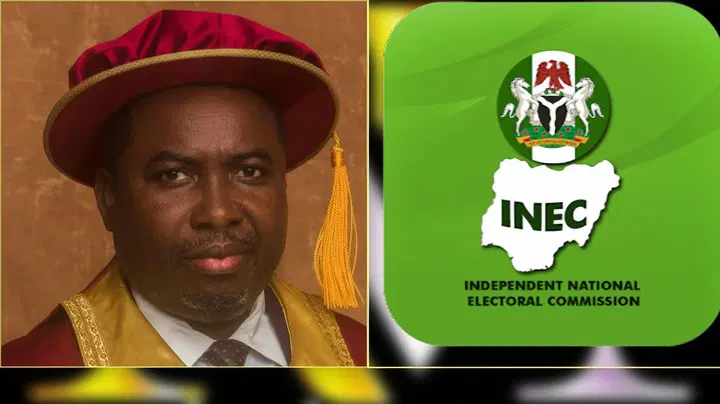
The Christian Social Movement of Nigeria (CSMN) has cautioned against politicising the leadership of the Independent National Electoral Commission (INEC), warning that threats to boycott elections on religious grounds could heighten tensions and erode public confidence in Nigeria’s democratic process.
In a joint statement issued by the Chairman of its Governing Council, Elder Sunday Oibe, and its Chief Executive Officer, Bosun Emmanuel, the group urged restraint in public pronouncements that could further strain the nation’s fragile political and security environment.
The warning followed a call by the Supreme Council for Shari’ah in Nigeria (SCSN) for the resignation of INEC Chairman, Prof. Joash Amupitan. At its 2026 pre-Ramadan lecture in Abuja, the Islamic body described the INEC chairman as a threat to electoral integrity and cautioned that Muslims might reject elections conducted under his leadership, citing concerns over his credibility and neutrality.
Reacting to the development, the Christian group said it was not defending any administration but appealing to religious bodies to avoid actions that could deepen divisions and undermine national cohesion. It emphasised that appointments into key national institutions should follow constitutional provisions rather than religious pressure.
“With the numerous challenges facing Nigeria, all well-meaning citizens must exercise restraint in words and actions that could escalate an already volatile situation,” CSMN stated.
The organisation noted that previous governments had appointed INEC chairmen from different religious backgrounds without triggering threats of election boycotts, warning that the current controversy risks injecting religion into the administration of elections.
CSMN clarified that its position was not partisan nor in support of the Tinubu administration, but a call for religious groups not to assume roles that could promote injustice or inequality. It stressed the need for efforts aimed at de-escalating tensions rather than inflaming religious sentiments.
The group further observed that leadership appointments in federal institutions have historically reflected Nigeria’s diversity and should not be exploited for religious mobilisation, cautioning that sustained religious polarisation could weaken confidence in national institutions.
On broader constitutional issues raised by some Islamic organisations, CSMN called for clearer legal interpretation of the role of Sharia within Nigeria’s plural legal system and advocated long-term constitutional reforms that promote equity and national unity.
It warned that attempts to worsen religious imbalance at a time when the country needs healing and fairness could fuel suspicion and sectarian conflict.
The organisation urged religious leaders, civil society groups and political actors to embrace dialogue, respect for institutions and adherence to constitutional processes, noting that Nigeria’s stability depends on reducing religious confrontation rather than intensifying it.


Fayose reveals what transpired between Makinde and Atiku at Minna meeting with IBB

Why Kwankwaso was singled out in proposed US Religious Freedom Bill-Farooq Kperogi

US Sanctions: NNPP, Kwankwassiya movement rally behind Kwankwaso, reject allegations

There is plot to arrest me- El- Rufai alleges

US lawmakers propose visa ban, asset freeze against Kwankwaso, Miyetti Allah

2027: Avoid politicising INEC leadership- Christian Clerics caution Shari’a Council

EFCC vs Yahaya Bello: Transactions complied with CBN rules, witness tells court

BREAKING: Senate adopts electronic, manual transmission of election results

Ganduje’s son distributes solar kits, irrigation pumps to Kano farmers, SMEs

Fubara and Wike hold talks with Tinubu in Abuja

NiMet Issues 3-Day weather forecast, urges caution for residents, airlines

FG to commence sale of state-owned assets – Minister

Peter Obi joins protest at National Assembly over E-Transmission of election results


