
Health
UNAIDS warns of major HIV setbacks as condom distribution drops by 55% in Nigeria

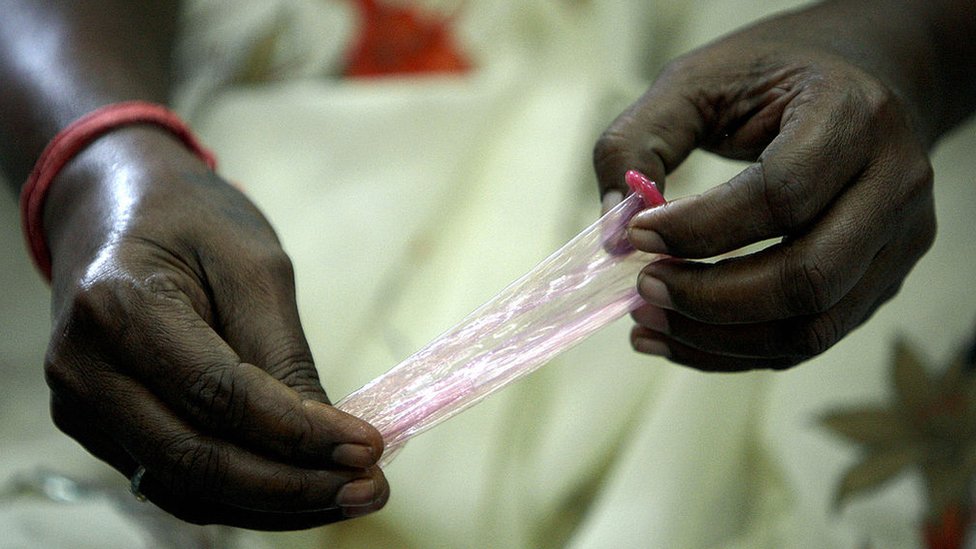
Nigeria has seen a sharp reduction in condom distribution, recording a 55 per cent decline within the past year, according to new findings released by the Joint United Nations Programme on HIV/AIDS (UNAIDS).
The figure was disclosed in the agency’s 2025 World AIDS Day report, Overcoming Disruption, Transforming the AIDS Response, which warns that the global fight against HIV is experiencing its most significant setback in decades.
“Nigeria recorded a 55 per cent drop in condom distribution,” UNAIDS said.
The report highlights widespread disruption across HIV prevention and testing programmes, noting that several community-led initiatives have stalled. UNAIDS said 13 countries have reported decreases in the number of people newly starting treatment.
It also revealed that about 450,000 women in sub-Saharan Africa have lost access to “mother mentors,” trusted community workers who connect them to healthcare.
According to UNAIDS, sudden funding reductions and worsening human rights conditions are interrupting HIV prevention and treatment services in many countries.
“The funding crisis has exposed the fragility of the progress we fought so hard to achieve,” Executive Director Winnie Byanyima said in Geneva on Tuesday.
“Behind every data point in this report are people,” Byanyima said. “Babies missed for HIV screening, young women cut off from prevention support, and communities suddenly left without services and care. We cannot abandon them,” she added.
The agency noted that even before the recent disruptions, adolescent girls and young women were disproportionately affected, with 570 new HIV infections occurring every day among females aged 15 to 24.
“This is our moment to choose,” Byanyima said. “We can allow these shocks to undo decades of hard-won gains, or we can unite behind the shared vision of ending AIDS. Millions of lives depend on the choices we make today.”
UNAIDS warned that scaling back prevention programmes could heighten vulnerability among affected groups. Community organisations — many of them women-led — are also struggling, with more than 60 per cent reporting suspended services.
Modelling by UNAIDS shows that if prevention efforts are not restored, the world could see an additional 3.3 million new HIV infections between 2025 and 2030.
International support for health programmes has also declined sharply. OECD projections indicate that external health funding may drop by 30 to 40 per cent in 2025 compared with 2023.
“The impact has been immediate and severe, especially in low- and middle-income countries highly affected by HIV,” the agency noted.
UNAIDS called on global leaders to recommit to cooperation and uphold pledges made at the recent G20 Leaders Summit in South Africa. It urged governments to sustain and expand HIV financing, invest in innovation — including affordable long-acting prevention options — and protect human rights while empowering communities that are central to HIV response efforts.


US deploys second aircraft carrier to Middle East as tensions with Iran escalate

Fake Major General arrested as army dismisses false military claims

Gunmen kidnap 12-year-old girl near school gate in Ibadan

2027 : Atiku opens up on alleged talks with Makinde over vice-presidential slot

INEC seeks N1.04tr for off-cycle, 2027 elections, urges early release of funds

2 Nigerian men killed while fighting for Russian army in Ukraine

Wike : Gov Fubara dissolves Rivers Executive Council

BREAKING: Senate adopts electronic, manual transmission of election results

How EFCC arraigned suspects who allegedly collected ₦603m from a Woman to facilitate NNPC GMD Appointment

FG to commence sale of state-owned assets – Minister

Why I Resigned As NAHCON Chairman – Usman

Gunmen kidnap nine Catholic worshippers in Benue

2027: Makarfi, Lamido step in as PDP Rift deepens at crucial Kaduna meeting


