
Crime & Law
VIP Escort Withdrawal: DIG Zanna Ibrahim warns Presidential directive will fail again without deep reforms

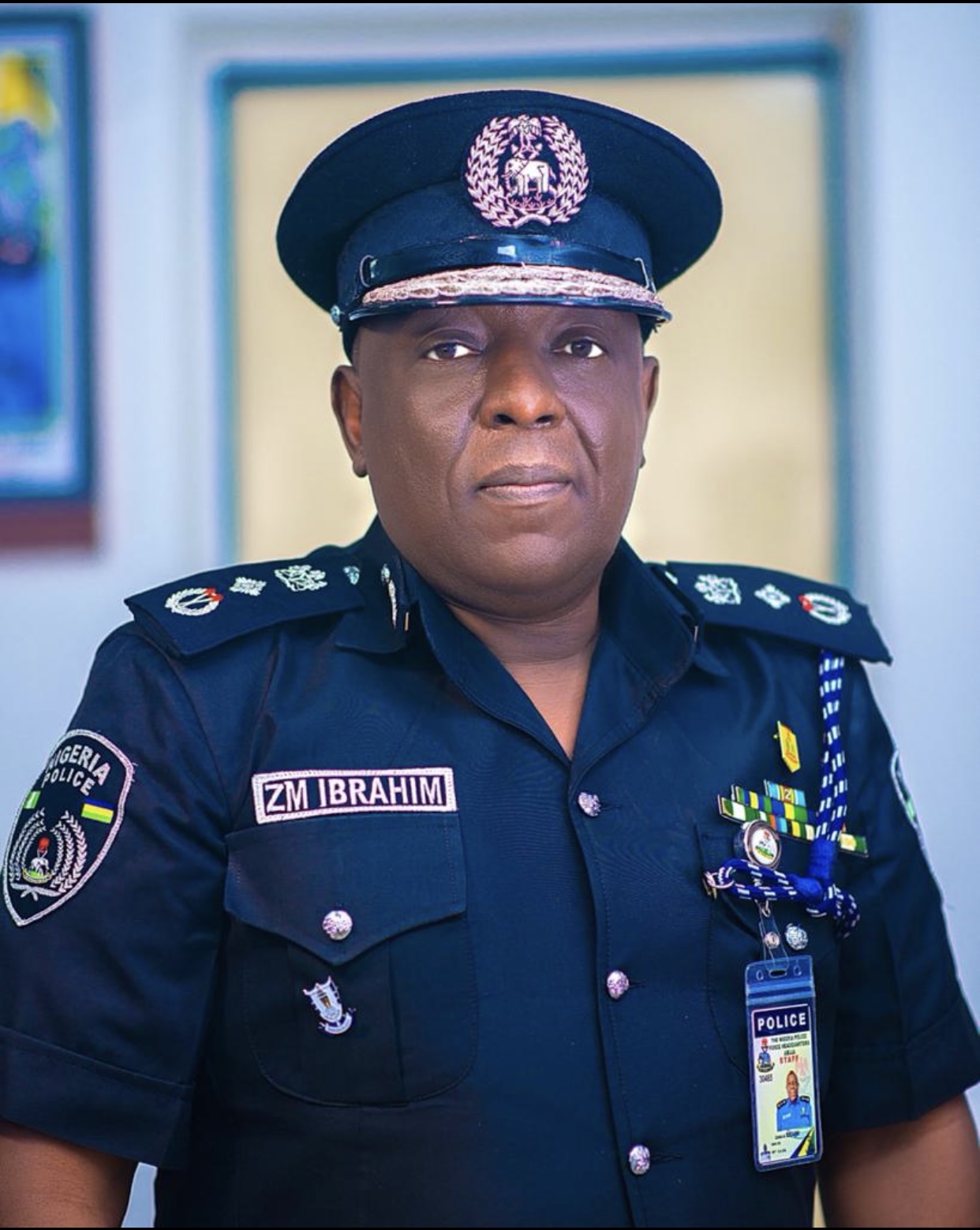
Deputy Inspector General of Police, Zanna Mohammed Ibrahim, (Rtd) has cautioned that President Bola Ahmed Tinubu’s directive ordering the withdrawal of police officers from VIPs will fail just like similar directives issued in the past unless Nigeria confronts the deep structural problems that have long weakened the country’s policing system.
In a detailed analysis, the retired DIG said the problem goes far beyond presidential orders, noting that successive Inspectors-General of Police have issued the same instruction over the years but lacked the structural support to enforce it.
“VIP Protection Has Become an Economy Inside the Police”
Ibrahim revealed that nearly one-quarter of Nigeria’s police workforce between 80,000 and 90,000 officers is currently deployed as personal security to politicians, businessmen, entertainers, expatriates, religious figures, malls, banks and private individuals “seeking status.”
He described the VIP escort system as a “cash cow” that generates official and unofficial revenue streams for officers and commanders, making the structure extremely resistant to reform.
Operational Policing Left in Ruins
The retired DIG warned that the diversion of personnel to VIP duties has severely weakened policing nationwide.
According to him: “Police stations are understaffed Rural and peri-urban communities are exposed Response times are slow Intelligence gathering is weak . Crime prevention has become reactive instead of proactive”
Political Pressure Complicates Enforcement
He added that many influential Nigerians view police escorts as a “right of office” or a “status symbol,” making withdrawal difficult. Attempts to enforce past directives, he said, collapsed under: Political interference pressure from businessmen influence from power brokers exploration of legal gray areas
What is needed
The former police chief insisted that only systemic change can resolve the problem.
He recommended the following:
Creation of a dedicated VIP protection unit
Similar to security models in the U.S., U.K. and South Africa, he advised establishing a small federal VIP Protection Command or relocating VIP protection entirely to the NSCDC, removing the financial incentives currently embedded in the police.
Ban on regular Police officers guarding private individuals
Ibrahim noted that in developed countries, police protect only public office holders and strategic assets, while private individuals rely on licensed security firms.
Transparent cost recovery system
VIPs who insist on escorts should pay full official costs into a federal account—ending the unofficial revenue system.
Improved Police strength and training
He stressed that recruitment must be linked to modern policing standards and proper deployment, with stations equipped with communication tools, patrol vehicles and logistics support.
Heavy investment in Policing technology
He listed CCTV networks, body cameras, drones, emergency call systems, ANPR, community crime dashboards and data-driven policing as essential modern tools.
Strong political will
According to him, the success of the reform hinges on the President’s resolve, strict enforcement by the IGP, civil society support and sustained media scrutiny.
Practical steps for implementation
Ibrahim outlined steps the government must take immediately for the policy to succeed:
Publish a list of withdrawn officers
Deploy them to stations, patrols and intelligence units
Establish an NSCDC-based VIP Protection Service
Ban direct escort requests to the IGP or Commissioners of Police
Digitise all VIP security requests
Introduce penalties for illegal escorts
Reward officers returning to active policing
Conduct surprise audits of formations
Launch a national policing-reform communication campaign
Use community policing to fill temporary gaps
Outcome If Implemented Properly
If government shows unwavering commitment, the retired DIG said Nigeria could:
Free up 70,000 90,000 officers for real policing
Strengthen urban and rural security
Reduce crime nationwide
Professional VIP protection
Dismantle entrenched corruption networks within the force
However, he warned that “the true test will be in the implementation not the announcement.”


US deploys second aircraft carrier to Middle East as tensions with Iran escalate

Fake Major General arrested as army dismisses false military claims

Gunmen kidnap 12-year-old girl near school gate in Ibadan

2027 : Atiku opens up on alleged talks with Makinde over vice-presidential slot

INEC seeks N1.04tr for off-cycle, 2027 elections, urges early release of funds

2 Nigerian men killed while fighting for Russian army in Ukraine

Wike : Gov Fubara dissolves Rivers Executive Council

BREAKING: Senate adopts electronic, manual transmission of election results

How EFCC arraigned suspects who allegedly collected ₦603m from a Woman to facilitate NNPC GMD Appointment

FG to commence sale of state-owned assets – Minister

Gunmen kidnap nine Catholic worshippers in Benue

Why I Resigned As NAHCON Chairman – Usman

2027: Makarfi, Lamido step in as PDP Rift deepens at crucial Kaduna meeting


